The Impact of Data Analytics on National Team Player Selection ⚽📊
Tunde Layeni
Intelligence Dept.

The Impact of Data Analytics on National Team Player Selection ⚽📊
In modern football, data analytics has become a critical tool in selecting national team players. While traditional scouting relied heavily on observation and subjective judgment, national federations today increasingly combine video analysis, performance metrics, and advanced data models to make more informed decisions.
Analytics does not replace the human eye, but it enhances decision-making, helping coaches identify players who consistently perform at the highest level across different leagues and competitions.
1. Objective Player Performance Evaluation
Data analytics allows coaches to measure player performance objectively rather than relying solely on reputation or club status.
Key metrics used in national team selection include:
- Expected Goals (xG) – measures scoring quality of chances
- Expected Assists (xA) – evaluates chance creation
- Progressive passes and carries – tracks attacking progression
- Defensive actions – tackles, interceptions, recoveries
- Aerial duel success rate
For example, a striker who scores 10 goals from an xG of 6 demonstrates strong finishing ability and efficiency, which can influence selection decisions.
2. Comparing Players Across Different Leagues
One of the biggest challenges for national team coaches is comparing players competing in different leagues around the world.
Analytics helps normalize performance by evaluating:
- Minutes played
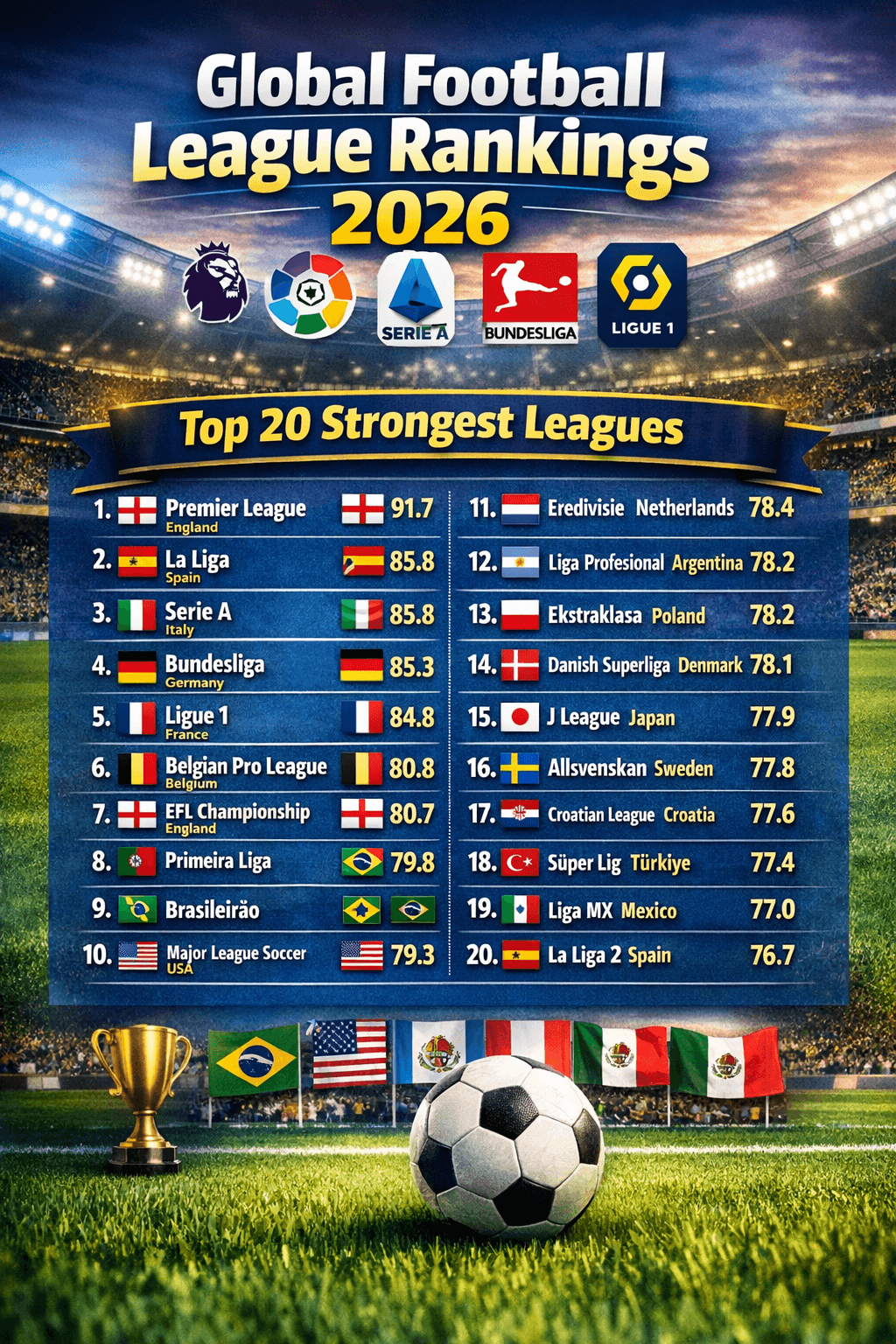
- League strength
- Team possession levels
- Quality of opposition
This allows analysts to compare a midfielder playing in the Belgian Pro League, Turkish Super Lig, or Premier League using standardized metrics.
3. Identifying Underrated Talent
Data analysis helps uncover players who may be overlooked by traditional scouting.
Some players may not receive media attention but consistently rank highly in key performance metrics such as:
- ball recoveries
- progressive passes
- successful dribbles
- defensive duels won
These insights allow national teams to expand their talent pool and identify hidden performers in smaller leagues.
4. Tactical Fit and Role Optimization
Modern analytics also evaluates how well a player fits a tactical system.
For example:
A national team playing high pressing football will analyze:
- pressing intensity
- recoveries in the final third
- defensive transitions
Meanwhile, possession-based teams may prioritize:
- pass completion under pressure
- progressive passing
- positional discipline
This ensures that players selected fit the national team’s playing philosophy.
5. Injury Risk and Player Availability
Sports analytics also assists in injury prevention and player load monitoring.
Data collected from clubs and tracking systems can provide insight into:
- sprint distances
- fatigue levels
- recent injury history
- workload during club competitions
This helps national team managers avoid selecting players who may be physically overworked or at risk of injury.
6. Case Study: Data-Driven Player Selection
Several national teams already rely heavily on analytics:
- France uses detailed performance databases to track players across Europe.
- Germany integrates GPS tracking and tactical analytics into scouting reports.
- England employs performance analysts to compare players statistically across leagues.
These systems help ensure that selections are based on measurable performance rather than perception alone.
7. Combining Data with Traditional Scouting
Despite the rise of analytics, football remains a human-centered sport.
The most effective selection strategies combine:
Data analytics
+
Live scouting
+
Video analysis
+
Coaching insight
This hybrid approach ensures that national team managers consider both quantitative performance metrics and qualitative observations.
Conclusion
Data analytics is transforming the way national teams evaluate and select players. By providing objective performance metrics, cross-league comparisons, and tactical insights, analytics helps coaches build stronger and more balanced squads.
As football continues to evolve, national teams that effectively integrate data-driven scouting with traditional expertise will gain a competitive advantage in international competitions.